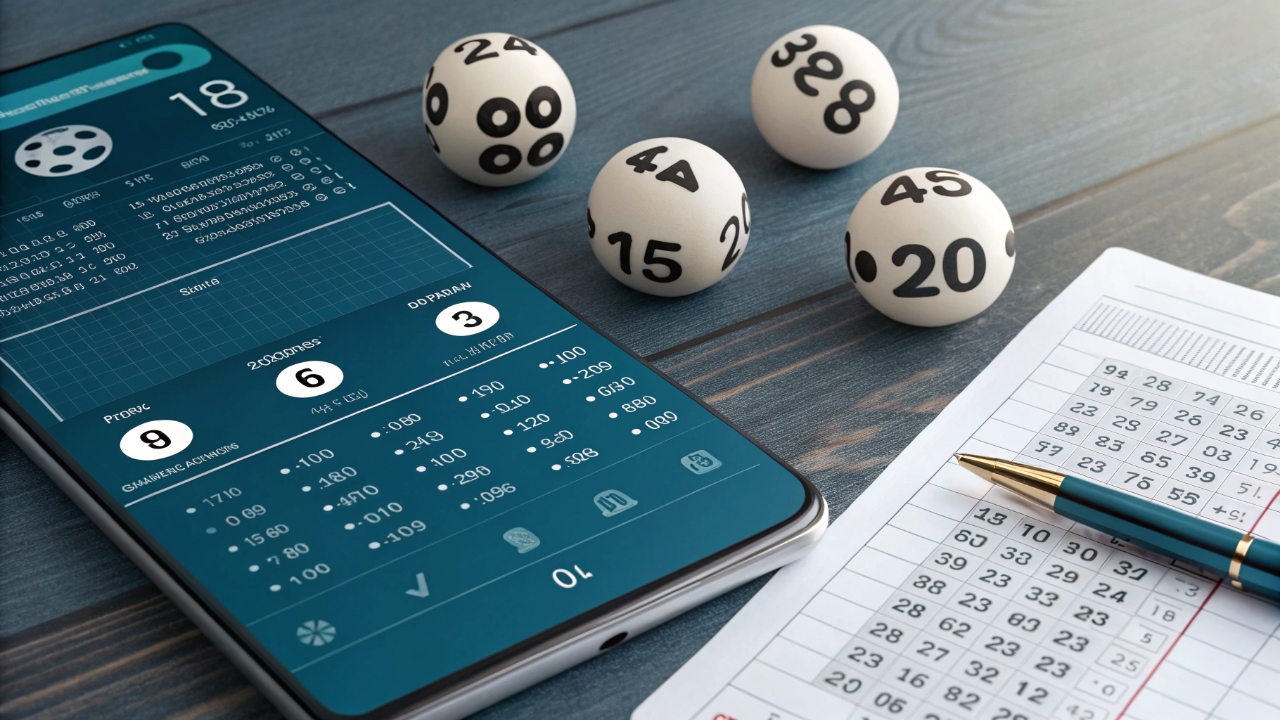
Online lotto is often seen as a simple game of chance: pick numbers, wait for the draw, check the ticket. But behind this apparent simplicity is a clearly structured digital system where every user action is recorded, verified, and linked to a specific draw. When a player enters, the platform registers the ticket in a database, assigns it an identifier, and connects it to the draw number, purchase time, and selected combinations. This is needed not only for accounting but also for later prize verification, so results can be confirmed both technically and legally.
A key part of the mechanics is how the winning combination is generated. In classic models, this is done either through a physical lottery machine whose results are transmitted into the digital environment, or through a certified random number generator. In the second case, audit and algorithm testing are crucial: independent labs check whether there is any bias in outcome distribution, and the operator publishes draw procedures. For players, this means lotto fairness is determined not by interface design, but by procedural transparency, licensing, and clear rules. If a platform clearly explains how results are generated, how bets are logged, and how wins are validated, trust in that product is significantly higher.
Probability in Online Lotto: Why “Almost Guessed It” Is Not “Close to the Jackpot”
The main mathematical feature of lotto is that winning probability depends not on a feeling of a “lucky streak,” but on field structure and the number of matches required for each prize tier. If a draw requires matching several numbers from a large range, jackpot odds are objectively low, and this is a normal product characteristic, not a flaw in a specific draw. At the same time, most formats include multiple payout tiers: some prizes are awarded for partial matches, so the mathematical model is a set of probabilities across outcomes rather than a binary “win or lose” scenario.
Players often overestimate intuitive number choices and underestimate combinatorics. Repeating dates, “nice-looking” sequences, and personal combinations may feel psychologically comfortable, but statistically they do not create an advantage over random selection under equal draw conditions. It is also important to understand expectation economics: the larger the potential jackpot, the lower the hit frequency, which makes long stretches without major wins inevitable. A rational approach to online lotto starts with accepting this balance. The game becomes more controlled when users treat participation in advance as an entertainment expense within a probability model, not as a predictable income tool.
Popular Online Lotto Formats and How to Choose the Right Mode
Modern platforms offer several formats, and they differ not only in visual design but also in game pace, prize structure, and psychological load. Classic scheduled lotto draws usually run on fixed timetables, build cumulative prize pools, and suit players who prefer a calmer rhythm with rarer but larger outcomes. Fast digital draws are designed for frequent results throughout the day, provide more game cycles in less time, and often attract users who value momentum. A separate niche is instant lotto mechanics, where outcomes are determined immediately after purchasing an electronic ticket, without waiting for a public draw event.
Choosing a format depends on how a player manages attention, budget, and expectations. If a steady pace is preferred, less frequent draws with clear schedules and fixed participation limits are usually a better fit. If high event frequency is appealing, it is important to set session limits by time and amount in advance so pace does not turn into impulsive decisions. Payout transparency also matters: reliable operators publish prize structures, fee conditions, crediting timelines, and winner identification rules upfront. The clearer these parameters are before ticket purchase, the lower the chance of withdrawal disputes.
Ultimately, online lotto is not a chaotic attraction but a digital product at the intersection of mathematics, regulation, and user experience. Understanding draw mechanics, real probabilities, and differences between formats helps remove unnecessary illusions and makes participation more controllable. When a player reads the rules before betting and evaluates lotto as a probability model, decisions become calmer, spending becomes more deliberate, and the entertainment outcome is much closer to what was originally expected.